Our Reach
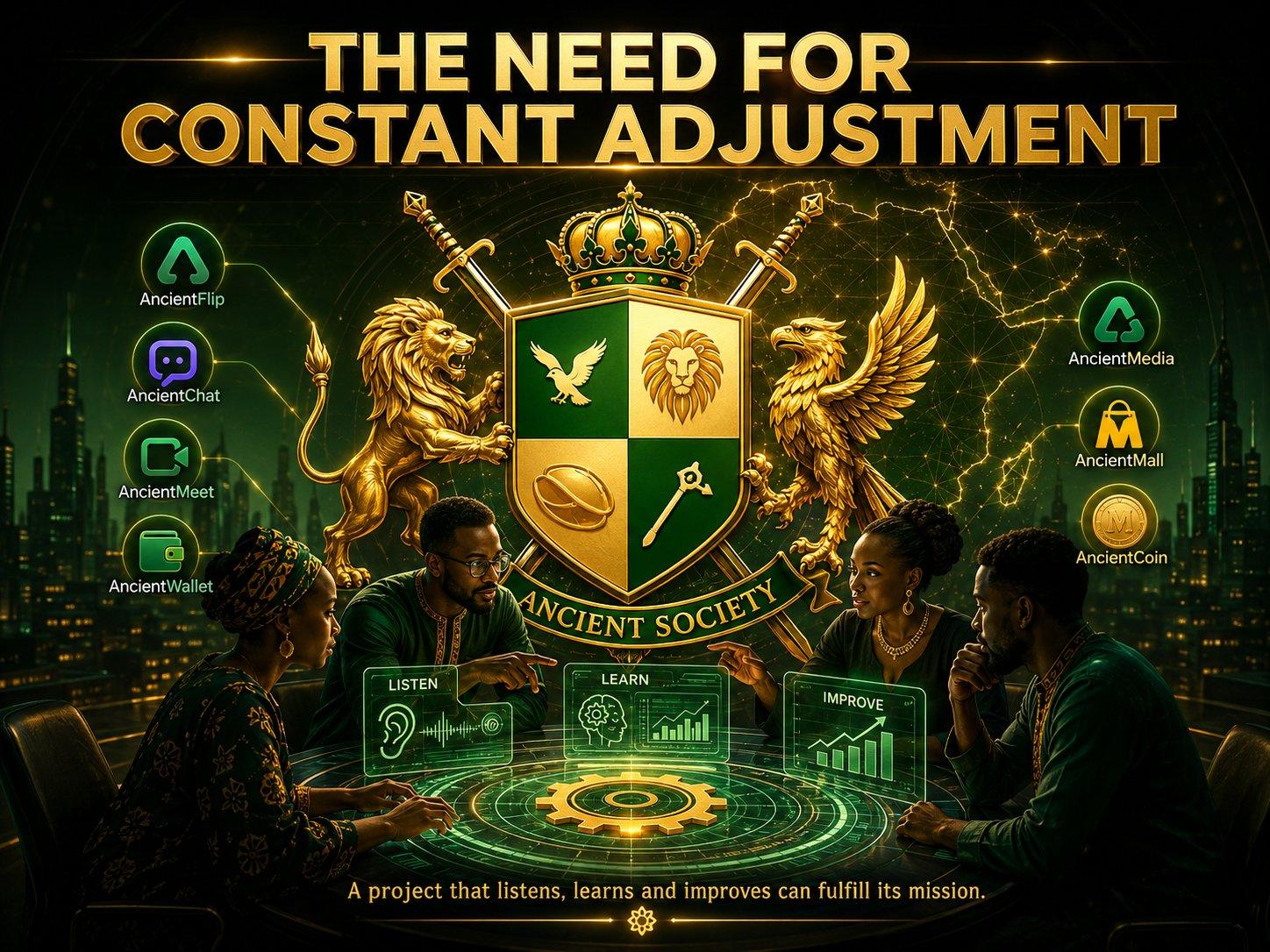
Pan-African digital ecosystem
Serving members across 121 countries
Community Contact
+233 0598881959
Pan-African digital ecosystem
Serving members across 121 countries
+233 0598881959







 by MasterIsaac
An African social media platform should do more than carry African branding. It should work for the people, devices, communities, cultures, and economic realities it intends to serve. That requires practical access, relevant community tools, understandable safety controls, space for creators and organizations, and honest communication about what the platform can do today.
The better question is not simply, “Was this platform built in Africa?” It is, “Does this platform help African communities communicate, create, organize, and participate on fair and useful terms?”
Africa-first design begins with the intended users rather than a copy of another market's assumptions. The continent contains many countries, languages, cultures, regulatory environments, income levels, and patterns of internet access. No single interface can represent all of them automatically.
A useful platform should keep learning from its communities. It should make room for continental and diaspora voices, support individuals as well as groups and organizations, and explain the difference between features that are currently available and those that remain part of a roadmap.
Users should ask whether the platform works on ordinary devices, supports suitable media formats, provides groups and pages, explains reporting and account recovery, describes monetization without guaranteed-income language, and identifies a responsible organization with a genuine support route.
Mobile access is essential, but “mobile-friendly” is not a complete standard. Pages should load reliably, controls should remain understandable on smaller screens, and media-heavy features should not make basic participation unnecessarily difficult. Clear navigation, readable type, useful image descriptions, and sensible media handling all matter.
Platforms should also distinguish the connection needs of text posts, comments, and messages from live video, large uploads, or long-form streaming. Trust grows when people can make practical choices instead of discovering limitations after joining.
African users should not have to leave their identities at the login screen. Names, community structures, cultural references, local organizations, and cross-border relationships shape how people communicate.
Language access is part of this work, but a long language list alone is not enough. Translations must be understandable, interface terms must make sense in context, and users need a way to report confusing wording. Ancient Media currently presents a language selector; the exact current count and translation completeness should be verified before a numerical coverage claim is published.
A feed helps people discover posts, but durable communities also need places to organize. Pages can represent organizations and public initiatives. Groups can support shared interests. Events can turn discovery into coordinated activity. Blogs and forums can preserve ideas that would otherwise disappear quickly in a feed.
The public Ancient Media experience inspected on July 30, 2026 included a news feed, profiles, comments, pages, groups, blogs, a marketplace, events, forums, reels, watch content, live tools, jobs, offers, funding features, and community discovery. These observations confirm the presence of those platform surfaces; they do not claim that every feature has equal adoption or is available under every account type.
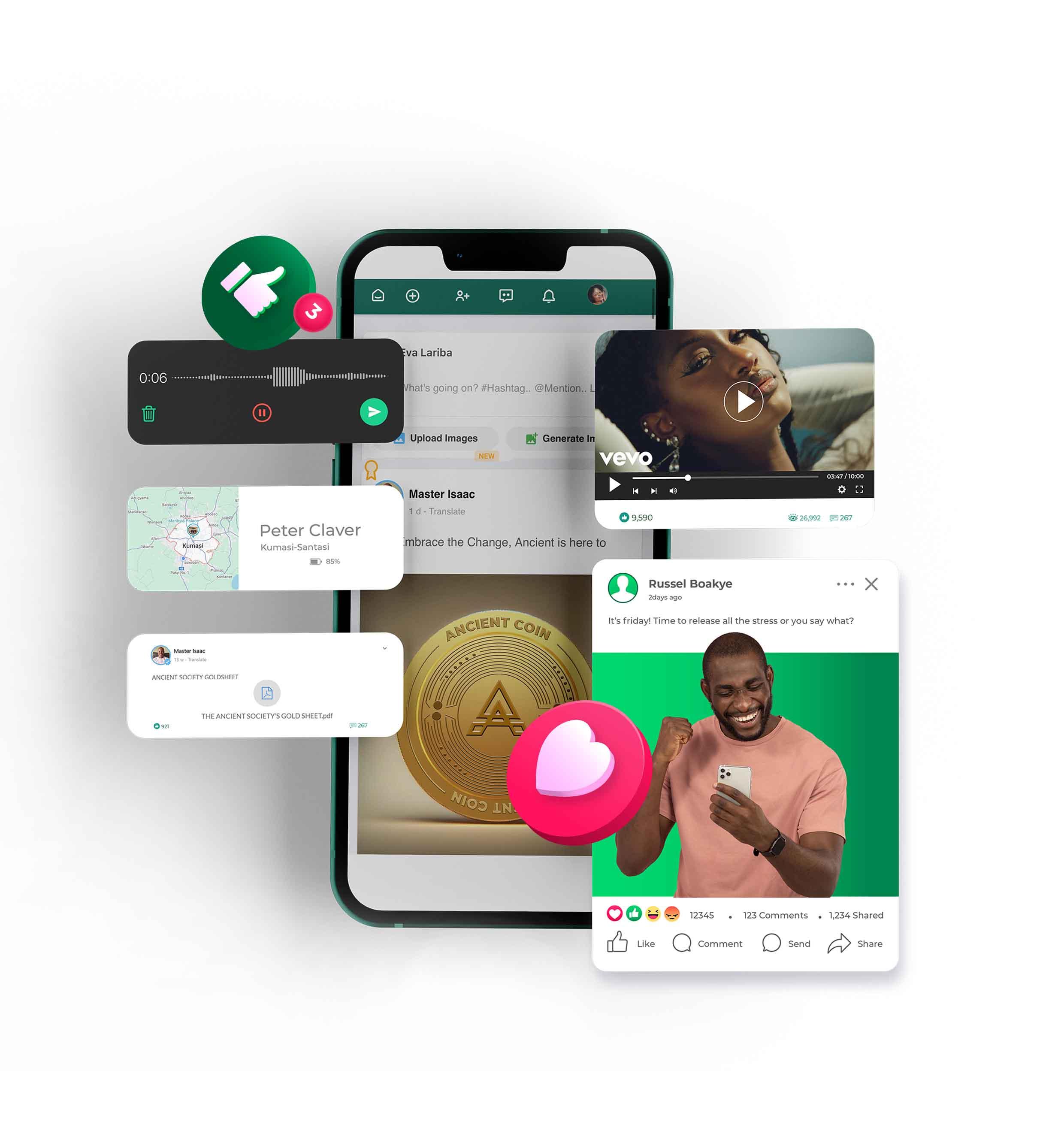
African creators work across text, photography, video, live conversation, education, entertainment, services, and commerce. A platform should help them publish in suitable formats, build recognizable profiles, communicate with audiences, and understand the rules that affect reach and monetization.
A monetization feature being enabled does not mean every interaction creates withdrawable income. Eligibility, account status, audience demand, fees, payment availability, and local legal or tax obligations can affect results.
Ancient Media's inspected configuration showed content monetization enabled alongside Pro membership and marketplace functions. It also showed points withdrawal disabled at the time of review. Users should therefore consult current rules before treating points, gifts, subscriptions, or monetized posts as cash income.
Safety includes reporting abuse, blocking accounts, moderating content, and responding to harmful behavior. Privacy concerns what information is collected, who can see it, and how people can control it. Security concerns the protection of accounts, systems, communications, and stored information.
No platform should be described as completely safe or secure. Users should protect passwords, verify unfamiliar requests, limit the personal information they publish, review visibility controls, and report suspicious activity.
Read Ancient Society's Privacy Policy and Terms of Service, and use the Contact page when support or clarification is needed.
Aggregate information in the Ancient Media administrator dashboard provided a dated view of platform use on July 30, 2026:
These are first-party platform totals, not independently audited financial or market-share figures. They should retain the observation date because active-platform counts change. The figures show that people have created accounts, published content, commented, organized pages and groups, and exchanged messages.
Public feed observation also showed current conversation, creator posts, service promotion, reactions, comments, and group discovery. Individual users are not quoted because a public post is not the same as permission to use someone's experience as a case study.
Ancient Media is the social-publishing part of the wider Ancient Society ecosystem. Its public experience combines personal profiles and a shared feed with multimedia, communities, longer-form publishing, creator and commerce tools, and direct conversation.
That combination matters because African digital participation is not one activity. A creator may also operate a small business. A professional group may publish articles and organize events. A diaspora member may follow continental news, participate in cultural discussion, and support a project.
Readers can visit Ancient Media directly. The earlier introduction to Ancient Media provides historical context; where older wording differs from current product rules, the live platform and current terms should govern expectations.
An African social media platform succeeds when it gives people useful ways to participate and earns trust through evidence, clarity, and improvement. Strong branding may invite attention, but communities remain because the product helps them communicate, create, organize, and solve real problems.
Ancient Media has an active product foundation and measurable community use. Its next standard should remain the same standard every serious platform must meet: listen, publish current rules, verify claims, improve safety and accessibility, and clearly distinguish today's capabilities from tomorrow's ambitions.
Explore Ancient Media, review the complete Ancient Society ecosystem, or contact Ancient Society with organizational or partnership questions.